Posts

Showing posts with the label treatment

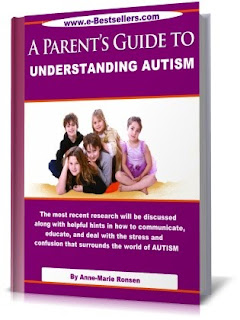
"ALL about AUTISM" - FREE Ebook!!!!
Image
Do you have an autistic child or know someone who has autism? Do you understand the special needs of an autistic person? Sometimes it is hard to understand that an autistic child is trapped within themselves without the ability to communicate or socially interact with others. While there is no cause or cure yet, autism can be treated and according to the level of severity, many adult autistic people can enjoy a rich, fulfilling life. To most people autism is a mystery. Over the past 20 years cases of autism has jumped an amazing 172%. Ninety people out of every ten thousand born this year will be diagnosed with autism. Where did this strange disorder come from and why is it affecting more and more of our children each year? Parents and doctors have pondered this question for decades and very few details are sorted out. How do you teach an autistic child? How do parents cope with a lifetime of caring and nurturing an autistic child? You can scan a thousand websites and read hundreds of ...

AUTISM - Treatments and Drugs

Drug therapies. No medication can improve the core signs of autism, but certain medications can help control symptoms. Antidepressants may be prescribed for anxiety, for example, and antipsychotic drugs are sometimes used to treat severe behavioral problems. Because autism is a devastating and so far incurable disease, many parents seek out alternative therapies. Though some families have reported good results with special diets and other complementary approaches, studies have not been able to confirm or deny the usefulness of these treatments. Some of the most common alternative therapies include: Creative therapies. Some parents choose to supplement educational and medical intervention with art therapy, music therapy or sensory integration, which focuses on reducing a child\'s sensitivity to touch or sound. Special diets. Several diet strategies have been suggested as possible treatments for autism, including restriction of food allergens; probiotics; a yeast-free diet; a gluten-...

Tips for Teaching Those with Autism

When you attempt to teach a person who has been diagnosed with autism, you may find that it is quite a difficult task. However, with a little background into the condition of autism and the research on the teaching techniques that have worked in successfully teaching autistic people in the past, you are sure to get through. Here, in this article, you will find many useful tips for teaching those who have been diagnosed with autism. 1) If you are in a position in which you need to teach those who have been diagnosed with autism, it is very important that you understand that the person with autism must have a very well planned, and almost ritualistic day. The learning environment must be well structured and designated specifically for the person with autism. It is also extremely important that the person who teaches an autistic person remain very calm, yet have very firm mannerisms. 2) When you teach a person who is autistic, it is very important that you ensure that you are using a fine...

Early Signs of Autism in Children

Autism is a very common medical condition. Many people do not realize that at least eight infants out of each one thousand born each year will be born with autism. Many parents are quite concerned about the rising statistics of autism. It is something that is important, and should be considered by each new parent. It is important to ensure that you understand what the early signs on autism in children are if you are a parent. The quicker that autism is found in a child, the better the possibility is when it comes to the outcome of the medical condition. Here, you will find many of the early signs of autism in children. 1) The first early sign of autism in children is when they do not progress appropriately by the time that they are one year of age. This includes being able to make certain babbling noises, and displaying particular gestures and such. 2) If your child has not said their first word by the time that they are approximately 17 months old, you should be concerned about the po...